
Miyerkules, Mayo 18, 2022

CNA Skill: Making An Occupied Bed

making an occupied bed by CNAA clean and well-made bed can make a big difference in a patient’s morale. It also provides them with a sense of comfort and security. As a certified nursing assistant (CNA), you will be responsible for ensuring that your patients’ beds are made correctly and safely.

What is an Occupied Bed?

An occupied bed is a bed that a patient is currently using. It means that there are sheets and blankets on the bed, and the patient is either sitting or lying on it.

Making an occupied bed is different from making an unoccupied bed. When you are making an unoccupied bed, you will be able to strip the entire bed and start from scratch. With an occupied bed, you will need to work around the patient and their belongings. This can be more challenging, but it is still vital to ensure that the bed is clean and comfortable for the patient.

Making an occupied bed can be a bit more tricky than making an empty bed, but you’ll get the hang of it with some practice.

Making an Occupied Bed Procedure

When making an occupied bed, the nurse aide should follow some steps. There are a few things to keep in mind when making an occupied bed:

Step 1: Always wash your hands

Always wash your hands before and after making the bed. This will help to prevent the spread of infection.

Step 2: Put on gloves

You should always put on gloves before you start to make the bed. This will protect you from getting germs on your hands and clothes.

Step 3: Raise the head of the bed

Before you start to make the bed, raise the head of the bed to a comfortable position for the patient. This will make it easier for them to breathe and prevent them from getting a sore neck.

Step 4: Make sure the bed is level

Before you start to make the bed, make sure that the bed is level. It will prevent the patient from sliding down in the bed and make it easier for them to get in and out of bed.

Step 5: Put on the bed sheets

When putting on the bedsheets, make sure that the top sheet is put on first. Then, put on the bottom sheet. Ensure that the sheets are pulled tight and that there are no wrinkles.

Step 6: Tuck in the sheets

Once the sheets are on, tuck them in on all sides. Make sure that they are tucked in tight so that the patient does not accidentally pull them out while they are sleeping.

Step 7: Put on the blanket

The next step is to put on the blanket. Make sure that the blanket is smooth and that there are no wrinkles. Once the blanket is on, tuck it in on all sides.

Step 8: Smooth out the bed

Smooth out the sheets and the blanket once the bed is made. Ensure that there are no wrinkles and that the bed looks neat and tidy.

Step 9: Lower the head of the bed

Once the bed is made, lower the head of the bed to its original position.

Step 10-Remove your gloves

Once the bed is made, remove your gloves and wash your hands.

Making an occupied bed may seem like a simple task, but it is essential to do it correctly. By following these steps, you can be sure that your patients will have a comfortable and safe bed to sleep in.

If you want pursue a career as CNA, call us at:

CNA TRAINING INSTITUTE,INC
140 Eldridge Road # G, Sugar Land, TX 77478
Phone: (346) 812 – 0147
Phone: (281) 201 – 2678
https://cnatraininginstitute.org/

The post CNA Skill: Making An Occupied Bed appeared first on CNA Training in Houston | Consolidated Nurse Aide Training.

Sabado, Abril 9, 2022

How Can I Improve My CNA Skills

Improving CNA skillsA certified nursing assistant is a health care professional who provides primary nursing care to patients in hospitals, long-term care facilities, and clinics. The duties of a CNA include but are not limited to: bathing and grooming patients, toileting and incontinence care, transferring and ambulating patients, providing a range of motion exercises, vital signs monitoring, and feeding and nutrition assistance.

CNAs must possess a solid knowledge base to provide quality patient care. They must be able to correctly identify common medical conditions and know the appropriate interventions for each. In addition, CNAs must be able to properly communicate with both patients and other members of the health care team.

There are a few ways in which CNAs can improve their skills. Let’s point out a few:

Adapting to the Changes in Health Care

The health care industry is constantly changing. New technologies are being developed, new treatments are being discovered, and new regulations are being put into place. CNAs need to stay up-to-date on the latest changes in the field in order to provide the best possible care to their patients. One way to do this is to read industry-related news articles or attend health care conferences.

Gaining More Experience

As with most professions, the more experience a CNA has, the better they will be at their job. One way to gain more experience is to take on additional shifts or pick up extra hours. Another way to gain experience is volunteering in healthcare settings such as hospitals, clinics, or nursing homes. This will not only give CNAs the opportunity to gain more experience, but it will also allow them to network with other health care professionals.

Planning for Each Day

One way to be sure that you are providing the best possible care to your patients is to plan for each day. This means taking a few minutes at the beginning of your shift to review your patients’ charts and make a plan for their care. This will help you to stay organized and on track throughout your shift.

Communication is Key

CNAs must be able to effectively communicate with both patients and other members of the health care team. This includes being able to listen carefully and express oneself clearly. CNAs can improve their communication skills by taking courses or attending workshops on effective communication.

Keeping a Positive Attitude

CNAs need to maintain a positive attitude. This can be done by being friendly and upbeat, even when things are tough. CNAs can improve their people skills by taking courses on customer service or attending workshops on dealing with difficult people.

Understanding Basic Medical Terminology

CNAs will have to deal with medical terminology on a daily basis. This is why CNAs must have a strong understanding of basic medical terminology in order to provide quality care to patients and communicate with other healthcare professionals. One way to learn medical terminology is to take a CNA course or attend a workshop offered by a local hospital.

Ability to work independently and follow the Protocols

While CNAs work in a team environment most of the time, in different situations, they might have to work independently. This includes being able to take care of patients without the supervision of a nurse, following the instructions of the protocol, and knowing when to ask for help. CNAs can improve their ability to work independently by taking courses on time management or attending workshops on self-care.

Continuous Education

Even after getting the certification, the education of a CNA should not stop. CNAs will gain valuable knowledge while working on a real job. But it’s also essential to educate themselves with the latest tools, technology, and other safety tips. The employer, local community colleges, or other specialized CNA training providers offer different courses, workshops, or other educational events in many cases. By attending those events, the CNAs can continuously improve their skills and abilities.

By following these tips, CNAs can improve their skills and become better at their job. Providing quality patient care is the top priority for CNAs, and by continuously learning and improving their skills, they can make a positive difference in the lives of those they care for.

If you want a career as CNA, call us at:

CNA TRAINING INSTITUTE,INC
140 Eldridge Road # G, Sugar Land, TX 77478
Phone: (346) 812 – 0147
Phone: (281) 201 – 2678
https://cnatraininginstitute.org/

The post How Can I Improve My CNA Skills appeared first on CNA Training in Houston | Consolidated Nurse Aide Training.

Martes, Marso 8, 2022

Why do You Want to be a CNA – 5+ Top Reasons

Certified Nursing Assistant performing Daily Task-minCertified Nursing Assistants, more commonly known as CNAs, are always in high demand. There are many reasons for this, but the most common is that CNAs play an important role in the health care industry. They provide critical support to nurses and other medical professionals, and they often have the opportunity to interact directly with patients. This article will explore some top reasons to become a certified nursing assistant.

CNAs Are In High Demand

There is no doubt that certified nursing assistants are always in high demand. This is evident by the number of job postings that are available for CNAs, as well as the number of people who are interested in becoming CNAs. Due to the coronavirus pandemic, many health care facilities are now seeking CNAs desperately. This is excellent news for those who are already certified and for those who are looking to become certified.

CNAs are the Voice of the Patients

CNAs often have the opportunity to interact directly with patients. This allows them to get to know the patients and their families personally. They can also relay important information back to the nurses and other medical professionals. This is an important role, as it allows for better communication between the health care team and the patients.

CNAs Are Important Members of the Health Care Team

CNAs play a crucial role in the health care team. They provide support to nurses and other medical professionals, and they often have the opportunity to learn new skills. This allows them to grow as professionals, allowing them to contribute to the health care industry.

CNAs Have the Opportunity to Advance their Career

Certified nursing assistants have the opportunity to advance their careers. CNAs gain transferrable skills to advance their career. This is evident by the number of CNAs who have become nurses and other medical professionals. CNAs can also move up within their own organization. This allows them to take on new challenges, allowing them to contribute more to the health care industry. The possibilities are endless for those willing to work hard and pursue their dreams.

CNAs Work in all types of healthcare fields

Certified nursing assistants can work in almost all types of healthcare fields. CNAs can work in hospitals, surgery clinics, nursery homes, Rehabilitation Centers, private clinics and many other places. This allows CNAs to have a lot of flexibility in their career.

CNAs Are Well-Paid

Due to coronavirus pandemics, there is a huge demand for CNAs now. Certified nursing assistants are well-paid. In most cases, they earn more than those who are not certified. This allows them to enjoy a good quality of life, allowing them to financially take care of their families.

CNAs Enjoy Life and Work flexibility

CNAs work on a shift basis in most cases. This means that they can work in the morning, evening or night. They can also choose to work weekends or holidays. This allows them to have a lot of flexibility regarding their work schedule. They can also take time off if they need to. This is great for those who want to enjoy a good quality of life.

CNAs provide a tremendous service, with so many options that they can fit into almost every scenario. This flexibility demonstrates the importance and impact of CNAs — millions of people receive the care they need from competent CNAs every day. Without them, many healthcare facilities wouldn’t be able to function because they would be unable to provide the same level of treatment and care we expect for ourselves and our loved ones.

If you want to become a CNA, call us at:

CNA TRAINING INSTITUTE,INC
140 Eldridge Road # G, Sugar Land, TX 77478
Phone: (346) 812 – 0147
Phone: (281) 201 – 2678
https://cnatraininginstitute.org/

The post Why do You Want to be a CNA – 5+ Top Reasons appeared first on CNA Training in Houston | Consolidated Nurse Aide Training.

Linggo, Marso 6, 2022

Why do You Want to be a CNA – 5+ Top Reasons

Certified Nursing Assistant performing Daily Task-minCertified Nursing Assistants, more commonly known as CNAs, are always in high demand. There are many reasons for this, but the most common is that CNAs play an important role in the health care industry. They provide critical support to nurses and other medical professionals, and they often have the opportunity to interact directly with patients. This article will explore some top reasons to become a certified nursing assistant.

CNAs Are In High Demand

There is no doubt that certified nursing assistants are always in high demand. This is evident by the number of job postings that are available for CNAs, as well as the number of people who are interested in becoming CNAs. Due to the coronavirus pandemic, many health care facilities are now seeking CNAs desperately. This is excellent news for those who are already certified and for those who are looking to become certified.

CNAs are the Voice of the Patients

CNAs often have the opportunity to interact directly with patients. This allows them to get to know the patients and their families personally. They can also relay important information back to the nurses and other medical professionals. This is an important role, as it allows for better communication between the health care team and the patients.

CNAs Are Important Members of the Health Care Team

CNAs play a crucial role in the health care team. They provide support to nurses and other medical professionals, and they often have the opportunity to learn new skills. This allows them to grow as professionals, allowing them to contribute to the health care industry.

CNAs Have the Opportunity to Advance their Career

Certified nursing assistants have the opportunity to advance their careers. CNAs gain transferrable skills to advance their career. This is evident by the number of CNAs who have become nurses and other medical professionals. CNAs can also move up within their own organization. This allows them to take on new challenges, allowing them to contribute more to the health care industry. The possibilities are endless for those willing to work hard and pursue their dreams.

CNAs Work in all types of healthcare fields

Certified nursing assistants can work in almost all types of healthcare fields. CNAs can work in hospitals, surgery clinics, nursery homes, Rehabilitation Centers, private clinics and many other places. This allows CNAs to have a lot of flexibility in their career.

CNAs Are Well-Paid

Due to coronavirus pandemics, there is a huge demand for CNAs now. Certified nursing assistants are well-paid. In most cases, they earn more than those who are not certified. This allows them to enjoy a good quality of life, allowing them to financially take care of their families.

CNAs Enjoy Life and Work flexibility

CNAs work on a shift basis in most cases. This means that they can work in the morning, evening or night. They can also choose to work weekends or holidays. This allows them to have a lot of flexibility regarding their work schedule. They can also take time off if they need to. This is great for those who want to enjoy a good quality of life.

CNAs provide a tremendous service, with so many options that they can fit into almost every scenario. This flexibility demonstrates the importance and impact of CNAs — millions of people receive the care they need from competent CNAs every day. Without them, many healthcare facilities wouldn’t be able to function because they would be unable to provide the same level of treatment and care we expect for ourselves and our loved ones.

If you want to become a CNA, call us at:

CNA TRAINING INSTITUTE,INC
140 Eldridge Road # G, Sugar Land, TX 77478
Phone: (346) 812 – 0147
Phone: (281) 201 – 2678
https://cnatraininginstitute.org/

The post Why do You Want to be a CNA – 5+ Top Reasons appeared first on CNA Training in Houston | Consolidated Nurse Aide Training.

Martes, Pebrero 8, 2022

Do You need a Degree to be a CNA

CNAs with Doctors in Hospital-minNowadays, many people are looking for a job to earn money. But the ones who have no degree might feel insecure about their future because they think that there is no way for them to work and have a good life. However, this is not an accurate assumption. Many jobs only require the applicant to take a skills test and have a high school diploma or equivalent. One of them is a Certified Nursing Assistant (CNA).
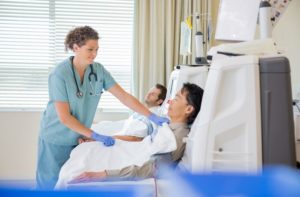

There is no state regulation that CNAs should be graduates from any program. You can be a CNA if you only finish high school. And the best thing about this job is that you don’t need to work in an office or use your brain a lot since all you have to do is do some physical work.

As the name implies, CNA’s primary job is to provide basic care for patients in some healthcare facilities like nursing homes, hospitals etc. CNAs are doing tasks that require emotional support, like feeding them or making sure they are clean. Moreover, CNAs help nurses take patients’ vital signs, prepare equipment for medical procedures, and chart patient information.

A CNA usually works eight hours a day, five days a week. Usually, they work in shifts because there are times when the patients need to be monitored all the time, and CNA’s presence is needed 24/7. Sometimes, CNAs also get overtime if they have to stay longer than their shift or emergencies that require them to work for more hours.

Four Steps to Become a CNA

Although becoming a Certified Nursing Assistant doesn’t require you to have a degree, there are still some requirements to have a career as a CNA.

Get your high school diploma or GED

This is the minimum requirement for being a CNA. You must have a high school diploma or GED to apply for a CNA training program.

Complete a State Approved CNA Training Program

After you get your high school diploma, register in a state-approved CNA training program to learn the essential skills you need for the job. The curriculum usually includes classroom lectures and clinical rotations in various healthcare settings to give students hands-on experiences with patients. After completing the program, graduates can take the CNA certification exam.

Pass the CNA Certification Exam

After completing the CNA training program, you need to take a certification exam given by your state board. Typically, candidates must get at least 70% of the questions correct to pass the test. After passing the test, you will receive a Certified Nursing Assistant certificate which entitles you to work as a CNA.

Its time to Apply for Jobs

Once you have your CNA certificate, it’s time to apply for CNA jobs. You can look for a job in your area, or you can also apply online. You can find different employment opportunities in hospitals, clinics, or nursing homes.

Once you are hired, you may start working as a CNA. Your employer will give you different tasks you have to complete during the day. You will be assigned with patients that require some assistance from time to time. And as a CNA, you can enjoy flexible working hours and the opportunity for overtime. The CNA career is suitable for those who don’t have a college degree. Still, it’s also an excellent choice for individuals who want to work in the healthcare sector without investing too much time and money on schooling and achieving a degree.

If you want to pursue a career as CNA, call us at:

CNA TRAINING INSTITUTE,INC
140 Eldridge Road # G, Sugar Land, TX 77478
Phone: (346) 812 – 0147
Phone: (281) 201 – 2678

Biyernes, Enero 14, 2022

7+ Essential Tools for CNAs

CNAs Assisting Patient-minOne of the qualities that a CNA should have is a good set of tools. It might sound strange to you, but having a complete set of tools can make your job easier and more efficient. You will be able to perform your tasks faster and get them done in half the time with a complete set of tools. Here are some essential tools that every CNA should have in their toolbox.


  1. Penlight

The first item you will need is a penlight, which could save your life someday. Some of the signs you should be checking for are pupillary response and responsiveness to light. A penlight will help you check those responses quickly and efficiently without wasting much time searching for a separate flashlight or something bright to shine into the patient’s eyes.


  1. Blood Pressure Cuff

A blood pressure cuff is another vital piece of equipment you need to have. This will help you check your patient’s blood pressure quickly and efficiently. If it is properly functioning, you should see an accurate reading instantly.


  1. Stethoscope

The stethoscope is needed for checking pulse or listening to heartbeats. You will be able to hear any abnormalities in the heartbeat, which could signify that there are potential problems with your patient’s health.


  1. Pulse Oximeter

A pulse oximeter is another item that can help ensure that you are doing your job correctly and quickly for your patient’s well-being. A pulse oximeter is a small device that will show you the patient’s oxygen saturation level. This reading is essential because low oxygen levels can lead to death.


  1. Thermometer

A thermometer is another essential and valuable tool that you will need. It can help you check your patient’s temperature to assess whether or not there are any abnormalities. A fever could be a sign of infection, which means that you need to pay close attention to how your patient is doing and adjust their treatment plan as needed.


  1. Tourniquet, Gloves, and Bandage Scissors

These three items should be included in every CNA’s toolbox because they are versatile and straightforward. A tourniquet can be used for anything from drawing blood and checking a patient’s veins to holding ice onto a wound or injury. You will need gloves when examining wounds to help prevent the spread of disease, especially if you are a male assisting a female. Bandage Scissors help cut bandages and splints so you can take care of your patient more quickly and efficiently without bothering them with scissors that make noise or struggle to cut through something like gauze.


  1. Paperwork

Paperwork is essential for keeping track of your patients vitals, medicines, and other important information. Make sure that you have some paper at home to keep everything organized; it will help you on the job because sometimes it can be difficult to remember certain things like patients’ allergies or how much medicine they took last night. A notebook would also work just fine, even if to write down their medications and allergies.


  1. Gait Belt

A gait belt is an essential piece of equipment CNAs should have to help ensure that their patient does not fall during transport. It can be beneficial when you need to move your patient quickly, but it will also provide stability if, for whatever reason, they are unable to stand on their own.


Having the correct tools will make your job as CNA much easier and more efficient, which will allow you to serve your patients better. It also takes some of the stress off of you, knowing that if an emergency needs to be dealt with, you have something at hand that could potentially save lives.


If you want a career as CNA, call us at:

CNA TRAINING INSTITUTE,INC
140 Eldridge Road # G, Sugar Land, TX 77478
Phone: (346) 812 – 0147
Phone: (281) 201 – 2678
https://cnatraininginstitute.org/

The post 7+ Essential Tools for CNAs appeared first on CNA | Consolidated Nurse Aide Training.

Biyernes, Disyembre 10, 2021

What do You Learn in a CNA Class

A Certified Nursing Assistant (CNA) course is a program that teaches students about patient care and how to work in a hospital or nursing home setting. The coursework typically includes topics such as anatomy and physiology, infection control, patient safety, and basic nursing skills. After completing CNA classes and CNA certification, students can work in various healthcare settings assisting nurses and doctors with patient care. Employers often favor CNAs because they do not require additional schooling or certification.

The CNA class curriculum will typically cover the following topics:

– Basic nursing skills: This includes everything from bed baths and dressing patients to taking vital signs and inserting catheters. Students will also learn about different medications, treatments, and diseases.

– Patient observation and assessment: CNAs are expected to assess patients’ conditions and report them to nurses or doctors. They are also responsible for keeping track of patients’ medical histories and recording their vitals.

– Basic anatomy and physiology: This includes learning the basics about different body parts, what they are used for, how they work, what can go wrong with them, etc. Students should be able to identify different diseases by their signs and symptoms.

– Patient Safety and infection control: CNAs must learn how to prevent the spread of infection and properly clean and disinfect equipment and surfaces. In this pandemic time, this is more important than ever.

– Communication skills: CNAs should be able to work well with other medical professionals, patients, and their families. They must also be able to communicate clearly to relay necessary information accurately.

– Medical procedures: CNAs will learn medical procedures that they can directly perform on patients. These include injections, wound care, and monitoring of vital signs.

– Medical ethics: This is an important part of the CNA course since CNAs are often the only members of a medical team who interact directly with patients. They should be able to ensure patient confidentiality while providing proper care.

– Medical terminology: CNAs must be able to communicate effectively with other medical professionals. For this, CNAs should know about basic medical terminologies.

Nutrition and diet: CNAs will learn about the nutritional needs of patients and common food allergies and sensitivities. They will also learn how to calculate patient caloric intake.

– Personal care of patients: CNAs will learn how to bathe, dress, and groom patients. They will also practice feeding patients who cannot eat on their own. CNAs will need to know how to help patients with daily living tasks such as walking, standing, and exercising.

– Medical-legal aspects of nursing: Nurses can be held legally responsible for their patient’s care. CNAs must be aware of the legal implications of their actions and decisions. Some states maintain CNA’s performance in their database. If a CNA has a history of failing to deliver proper care, he or she could be held legally responsible.

– Emergency procedures: CNAs will learn how to respond to emergencies where lives are at risk. This might include CPR and other life-saving techniques.

– Review of basic math, sciences, and English skills: CNAs must have a certain minimum level of education to take this course. In most cases, students should have an 8th-grade reading level and a high school diploma or GED before training as CNAs. Exceptional students may take the class with a 7th-grade reading level.

In addition to the topics listed above, many CNA programs also offer students the opportunity to participate in clinical training. Students get to put their skills into practice by working with patients in a healthcare setting. Clinical training can be highly beneficial for students, as it allows them to learn from experienced nurses and develop their confidence.

Do you want to pursue a career as a CNA? call us at:

CNA TRAINING INSTITUTE,INC
140 Eldridge Road # G, Sugar Land, TX 77478
Phone: (346) 812 – 0147
Phone: (281) 201 – 2678
https://cnatraininginstitute.org/

The post What do You Learn in a CNA Class appeared first on CNA | Consolidated Nurse Aide Training.