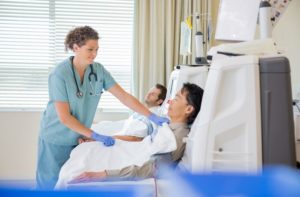
 Are you a Certified Nursing Assistant (CNA) looking for ways to become more efficient and organized in your daily tasks? It can be overwhelming, but with the right strategies and preparation, you can boost your confidence, effectiveness, and efficiency as a CNA. In this blog post, we’ll break down practical tips on how CNAs can work smarter instead of harder by optimizing their shift activity through organization and professional practices that will help make life easier.
Stay organized with a daily to-do list of tasks
Are you tired of feeling overwhelmed by the never-ending tasks piling up on your desk or in your inbox? It’s time to take control of your daily to-do list. Creating a list of tasks that must be completed daily is a simple yet effective way to stay organized and on track. By breaking down your workload into manageable chunks, you’ll feel more productive and accomplished at the end of each day. Plus, checking off completed tasks on your to-do list can provide a sense of satisfaction and motivation to tackle even more. Make your daily to-do list a habit, and watch as your productivity soars to new heights.
Prioritize Tasks
In addition to staying organized, prioritizing your tasks is essential for efficient time management. When you have multiple duties and responsibilities throughout the day, it can be challenging to determine which ones are most important. Try sorting your tasks according to urgency and importance to make this process easier. This way, you can focus on tackling the most pressing tasks first and move down the list as time permits. By prioritizing your tasks to match the urgency of each one, you’ll be able to quickly identify what needs to be done right away and what tasks can wait until later.
Communicate Effectively
Effective communication is a crucial factor in becoming more efficient as a CNA. By communicating with your colleagues and supervisors, you can ensure that tasks are being completed seamlessly and efficiently. This can also help to prevent any mistakes or delays in the process. Additionally, feel free to speak up if you need assistance or have questions – asking for help when needed will help you perform your job better and faster. Finally, document all your communication – this can be incredibly helpful for future reference and organization purposes.
Use Technology to Your Advantage
Using technology can help CNAs be more efficient. For instance, you can use technology to track patient information, review lab results and other medical data, update records in real time, and more. There are also various apps available that can help CNAs stay organized with their daily tasks. With the right tools, technology can streamline your workflow and free up valuable time for you to focus on more important tasks.
Take Breaks to Recharge
In today’s hustle and bustle world, it can be difficult to break from all the chaos. But it’s important to remember that regular breaks are essential for physical and mental well-being. Taking a few minutes away from work can help you reset and refocus, making you more productive when you return to your tasks. Whether it’s spending time in nature or taking a quick walk around the block, make sure to take some time out of your day to relax and replenish your energy. Doing so can help you stay focused and motivated, ensuring you get the most out of every day.
Staying up to date with Industry Best Practices
The healthcare industry is constantly evolving, so staying current with best practices is essential. To do this, attend seminars and conferences focusing on topics related to your role as a CNA. These events can help you learn about industry trends and techniques for optimal patient care. Additionally, don’t be afraid to ask questions and seek advice from other CNAs who have been in the field for a while. Doing so can help you become more efficient and improve your skill set.
By following these tips, CNAs can become more organized, efficient, and productive in their roles. With proper planning and prioritization, task management becomes much simpler and easier to manage. Additionally, using technology to your advantage can help streamline tasks, allowing you to focus on more essential duties. Finally, always keep up with the industry’s best practices to ensure you provide your patients with the highest quality of care. By taking these steps, CNAs can make the most of their day and become more efficient.
CNA TRAINING INSTITUTE,INC
140 Eldridge Road # G, Sugar Land, TX 77478
Phone: (346) 812 – 0147
Phone: (281) 201 – 2678
https://cnatraininginstitute.org/

 Serving others is a deeply fulfilling experience, and being a Certified Nursing Assistant (CNA) is one of the most rewarding roles in health care. For anyone looking to enter a career field where they can make an immense difference in people’s lives,
  Certified Nursing Assistants (CNAs) are essential to the medical profession. They provide vital care to support elderly and sick patients while providing comfort and companionship. But before you decide if this job is right for you, it’s important to understand what CNAs are allowed to do. This blog post will overview the duties CNAs can perform in their day-to-day role. From monitoring vital signs to helping with mobility issues, qualifying as a CNA can open up many opportunities for a compassionate worker who wishes to make a difference!
 As a CNA, you have one of the most important jobs in healthcare. You are responsible for providing direct patient care and ensuring that your patients are comfortable and safe. However, this can be a very demanding job, and it is easy to become overwhelmed and burned out.
 Clinical is a type of training that healthcare providers do to improve their skills in patient care. New CNAs must complete a certain number of clinical hours before taking the state certification exam. Apart from state requirements, CNA clinical allow students to apply
  You have finished your CNA training and are ready to embark on your new career. As you begin to prepare for your job interview, it is essential to keep in mind that the interviewer’s goal is to get to know you and determine if you are a good fit for the position. Getting a CNA job is not always easy, but if you follow these tips, you will be well on your way to securing a role in the field.
 As a certified nursing assistant (CNA), you will work closely with patients dealing with various health issues. This can be emotionally challenging, and you must have solid emotional intelligence to provide the best possible care for your patients.
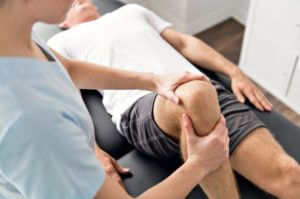 As a certified nursing assistant, you will be responsible for providing basic care to patients. This can include everything from helping them bathe and eat to providing emotional support. However, one of your job’s most important aspects is ensuring that patients maintain their Range of motion (ROM).
 Many patients may struggle to stand or walk on their own after an injury or surgery. They may require the help of a certified nursing assistant (CNA) to ambulate or move around. This process is called transfer. It can be very dangerous for both the patient and the CNA if the transfer is not done properly.
 The radial pulse is the pulse felt on the wrist, on the side of the forearm nearest the thumb. The radial artery runs under the skin, and its pulsing can be felt below the surface. The radial pulse is often used to check a person’s heart rate. However, it can also be used to assess someone’s general health. In particular, the radial pulse can give clues about a person’s blood pressure and circulatory status.
 A clean and well-made bed can make a big difference in a patient’s morale. It also provides them with a sense of comfort and security. As a certified nursing assistant (CNA), you will be responsible for ensuring that your patients’ beds are made correctly and safely.
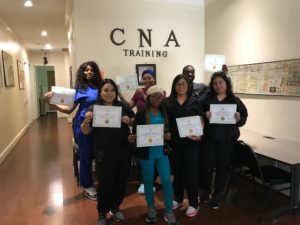 A certified nursing assistant is a health care professional who provides primary nursing care to patients in hospitals, long-term care facilities, and clinics. The duties of a CNA include but are not limited to: bathing and grooming patients, toileting and incontinence care, transferring and ambulating patients, providing a range of motion exercises, vital signs monitoring, and feeding and nutrition assistance.
 Certified Nursing Assistants, more commonly known as CNAs, are always in high demand. There are many reasons for this, but the most common is that CNAs play an important role in the health care industry. They provide critical support to nurses and other medical professionals, and they often have the opportunity to interact directly with patients. This article will explore some top reasons
  Certified Nursing Assistants, more commonly known as CNAs, are always in high demand. There are many reasons for this, but the most common is that CNAs play an important role in the health care industry. They provide critical support to nurses and other medical professionals, and they often have the opportunity to interact directly with patients. This article will explore some top reasons
  Nowadays, many people are looking for a job to earn money. But the ones who have no degree might feel insecure about their future because they think that there is no way for them to work and have a good life. However, this is not an accurate assumption. Many jobs only require the applicant to take a skills test and have a high school diploma or equivalent. One of them is a Certified Nursing Assistant (CNA).